HomeAbout usExhibitionsArt FairsArticlesOUR FUTURESVisit us
Artists
Opening Hours
Monday to Sunday
10am – 9pm
Admissions
Free Entry
Monday to Sunday
10am – 9pm
Free Entry
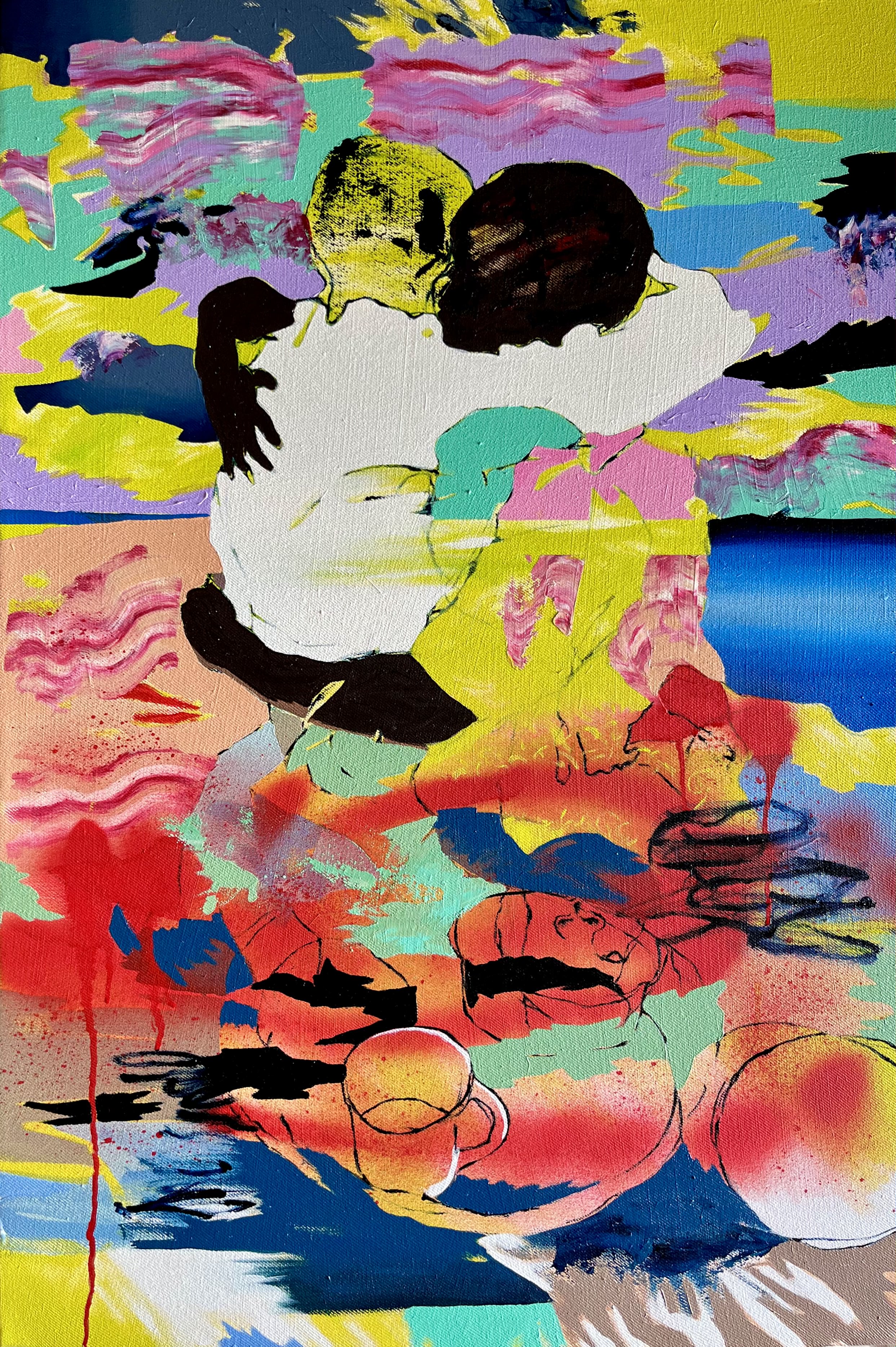
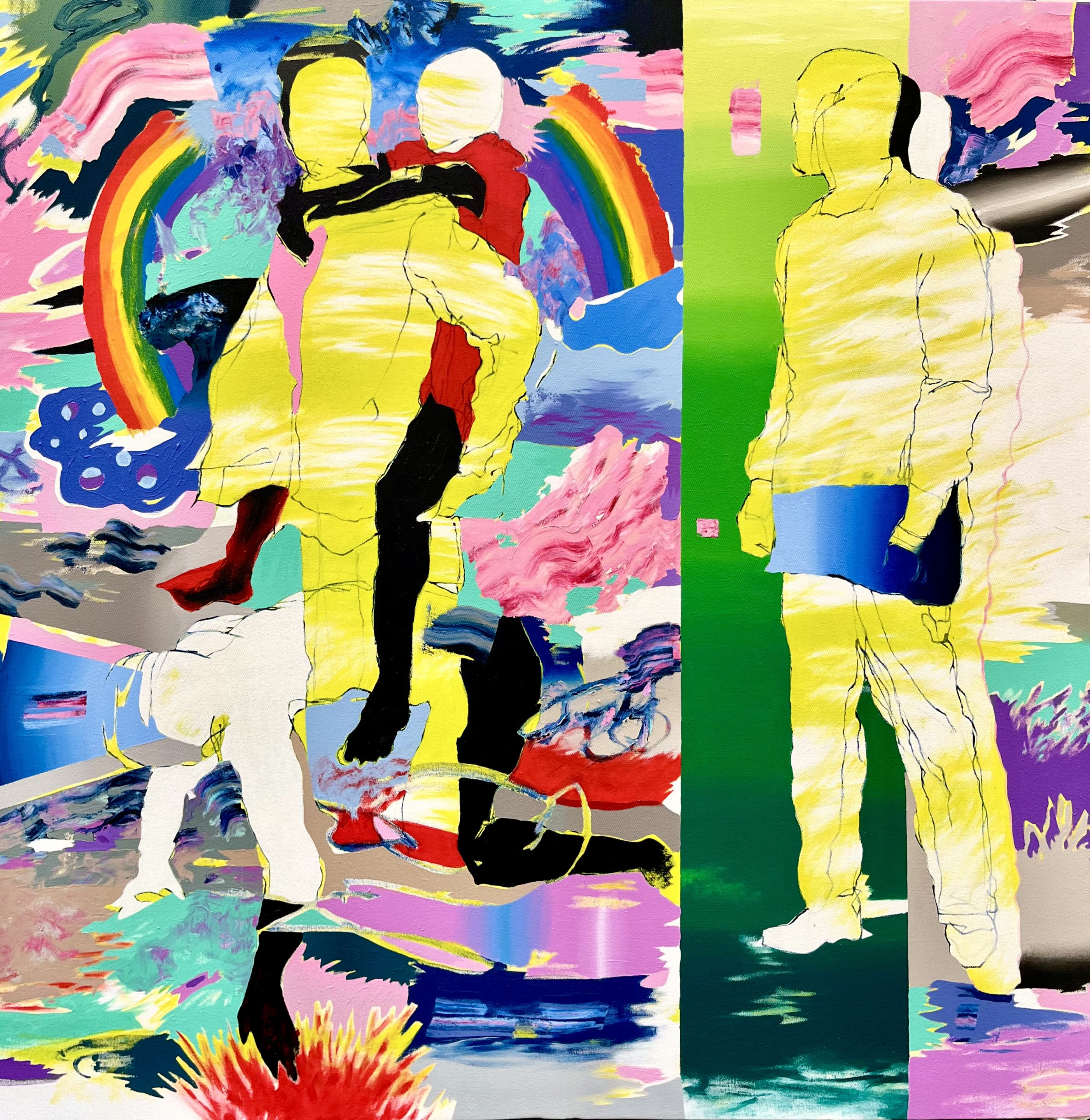
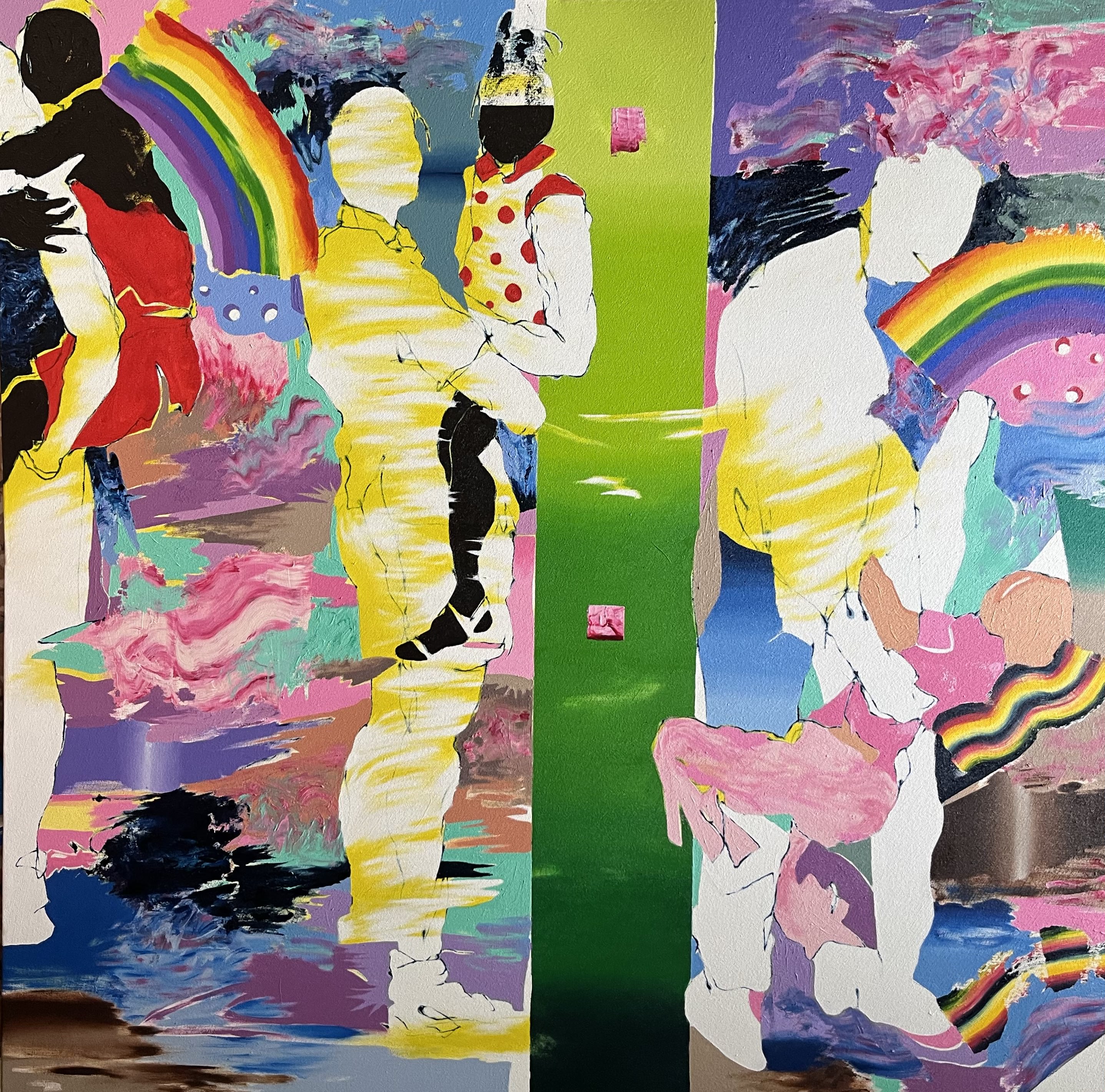
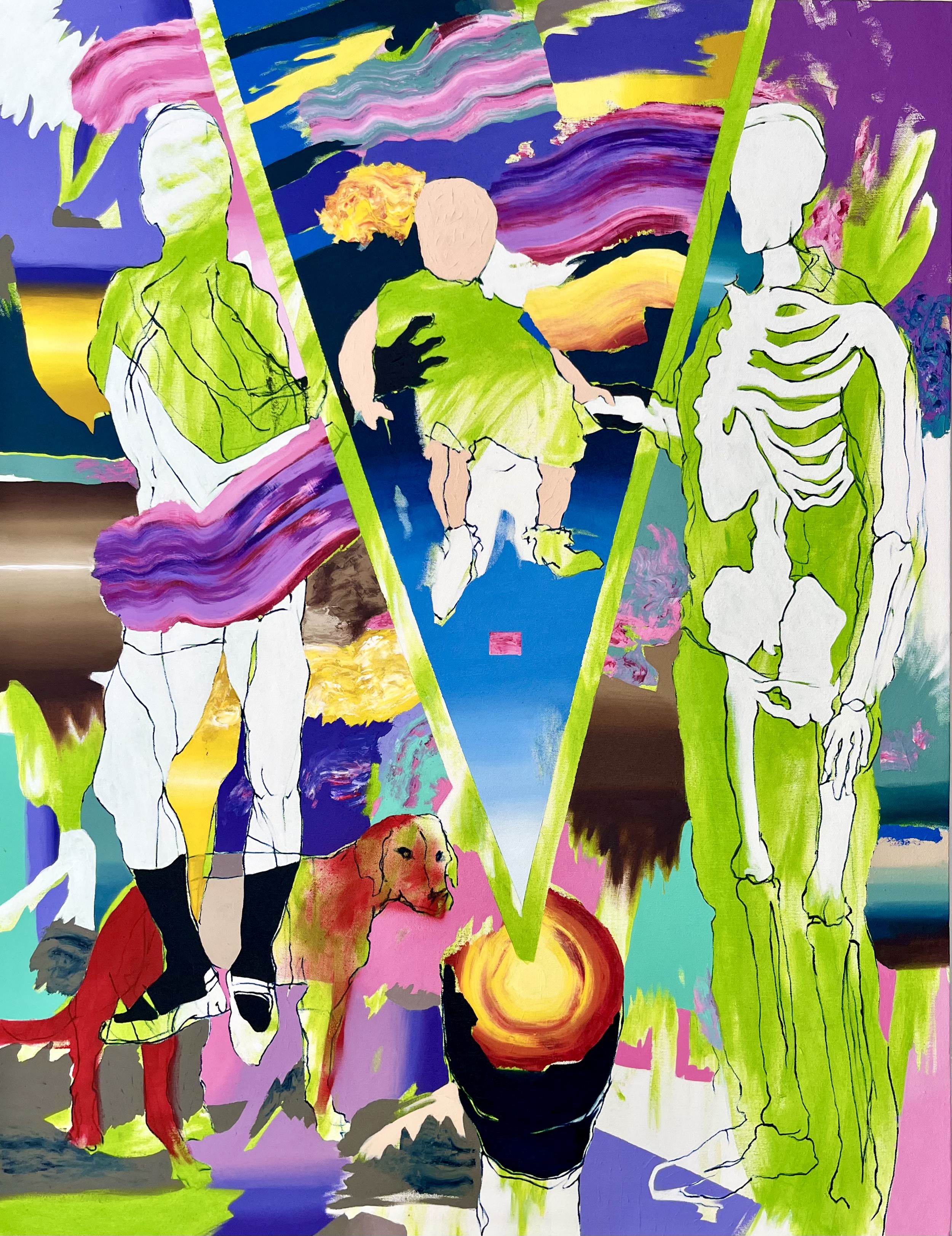
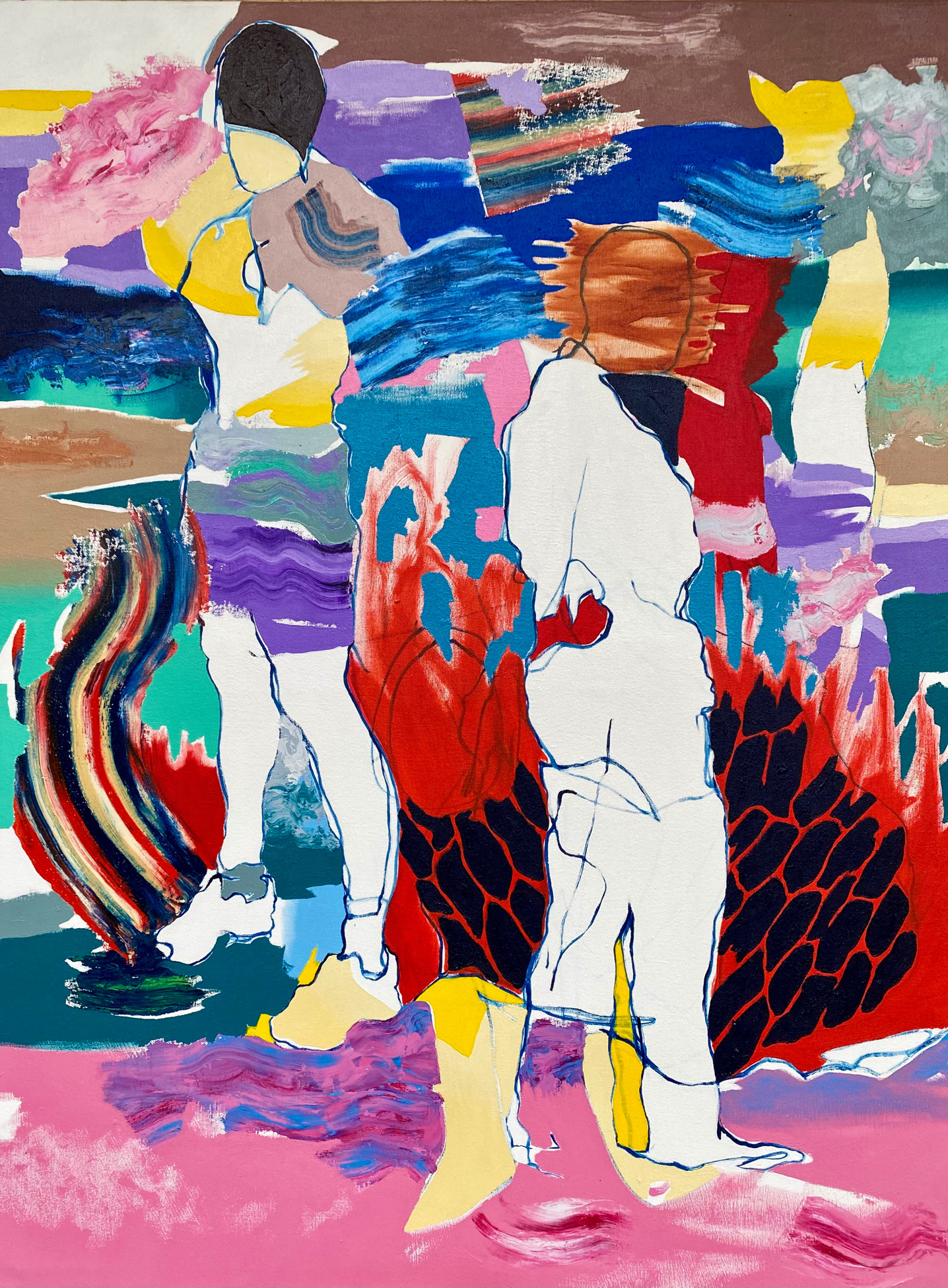
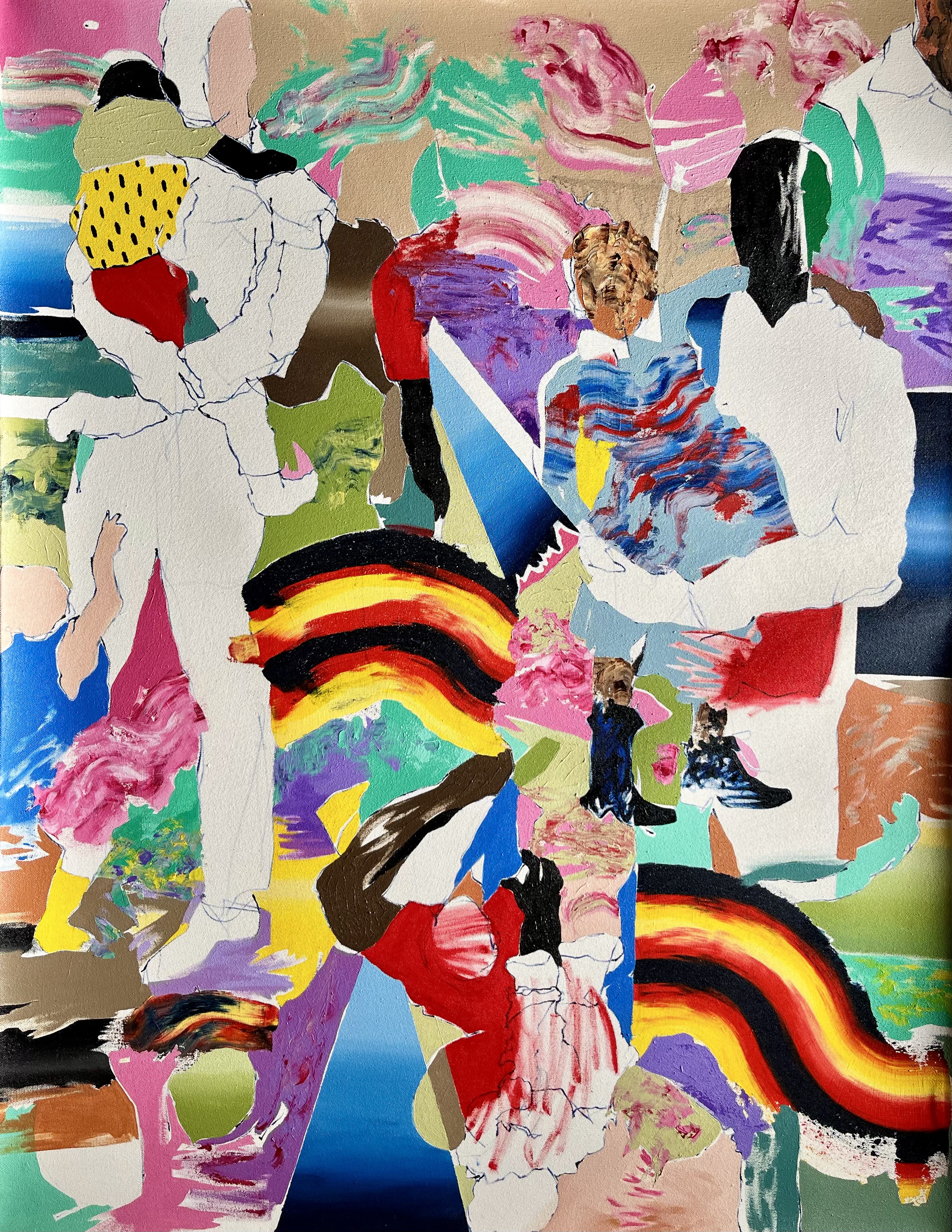
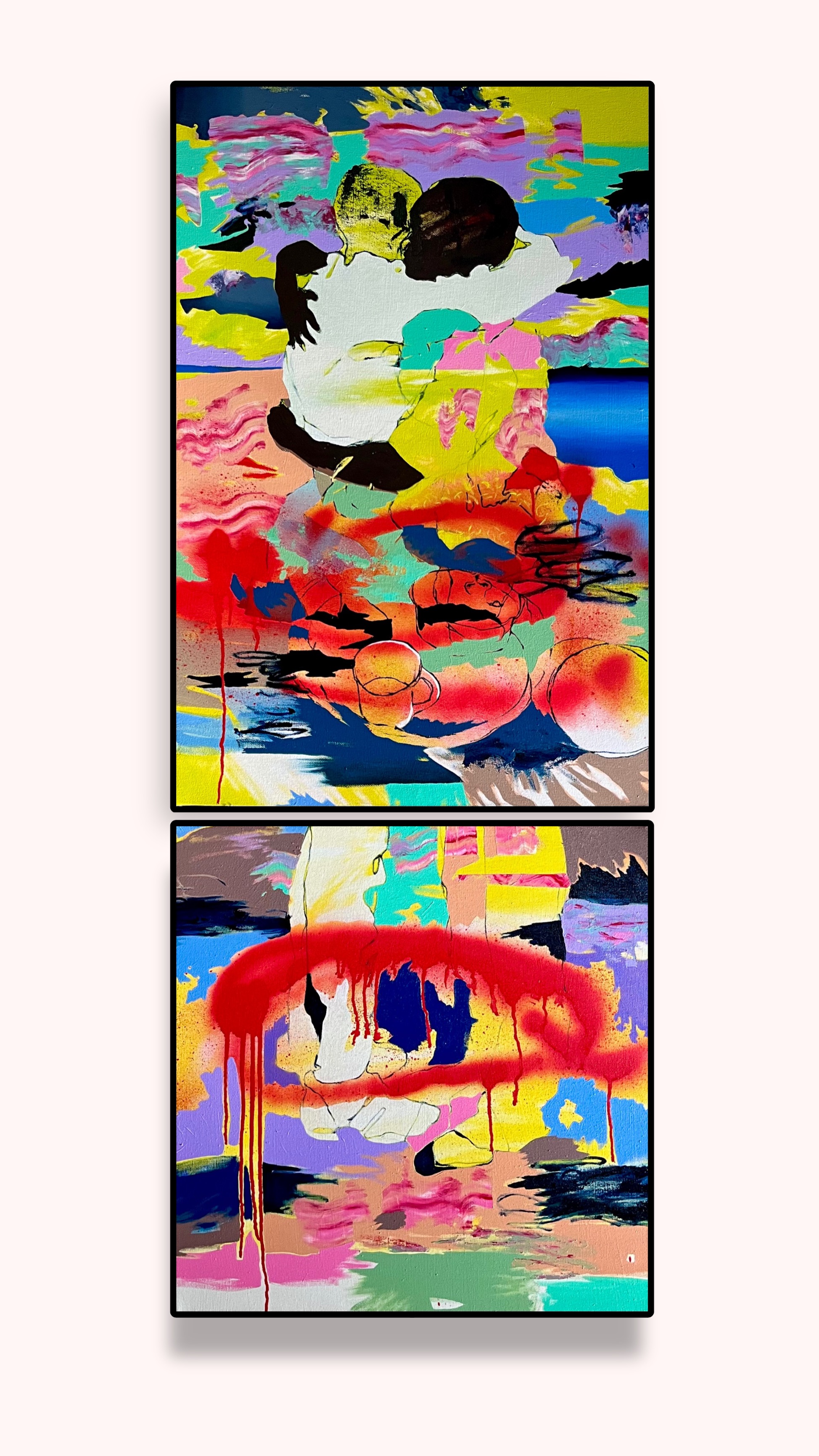
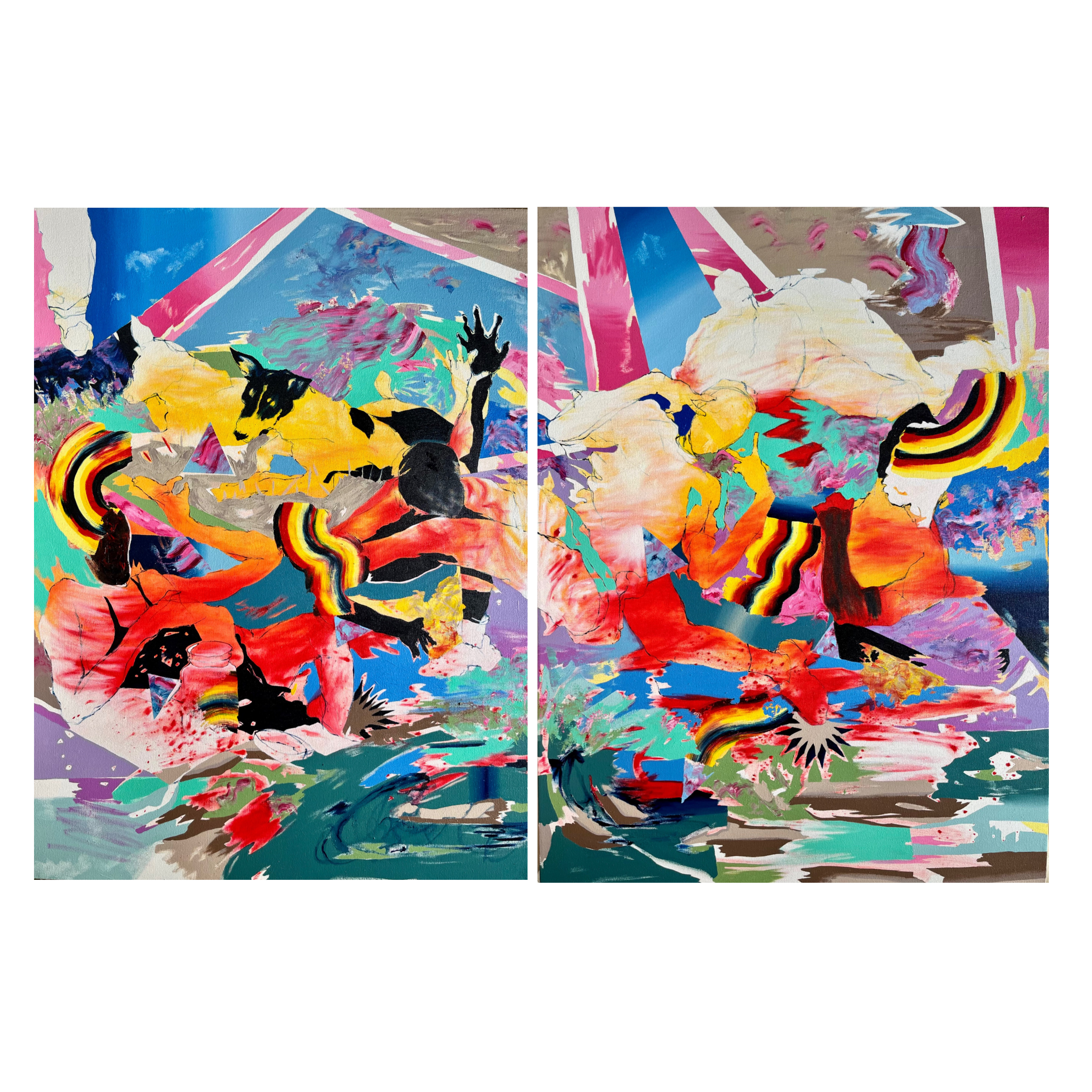
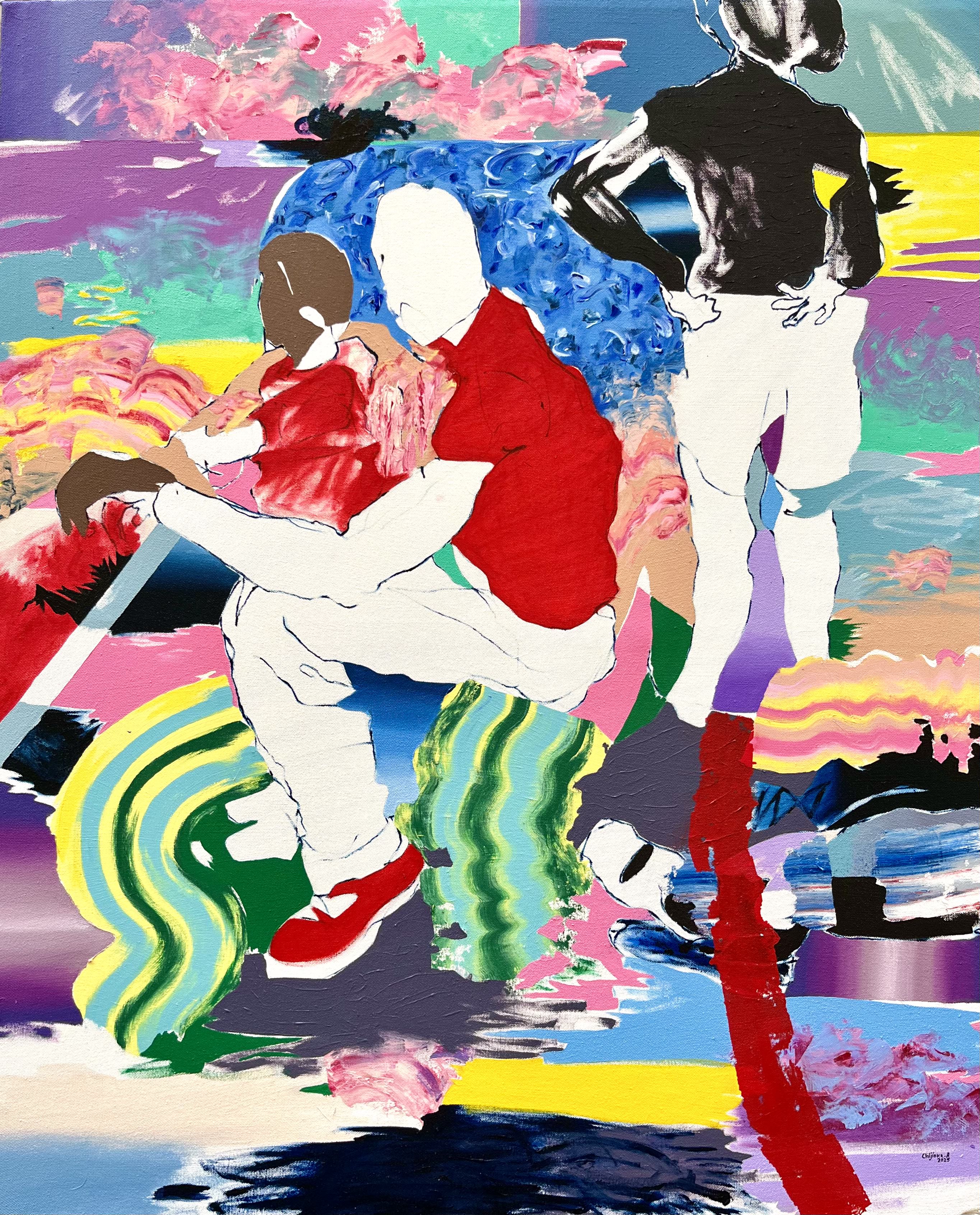
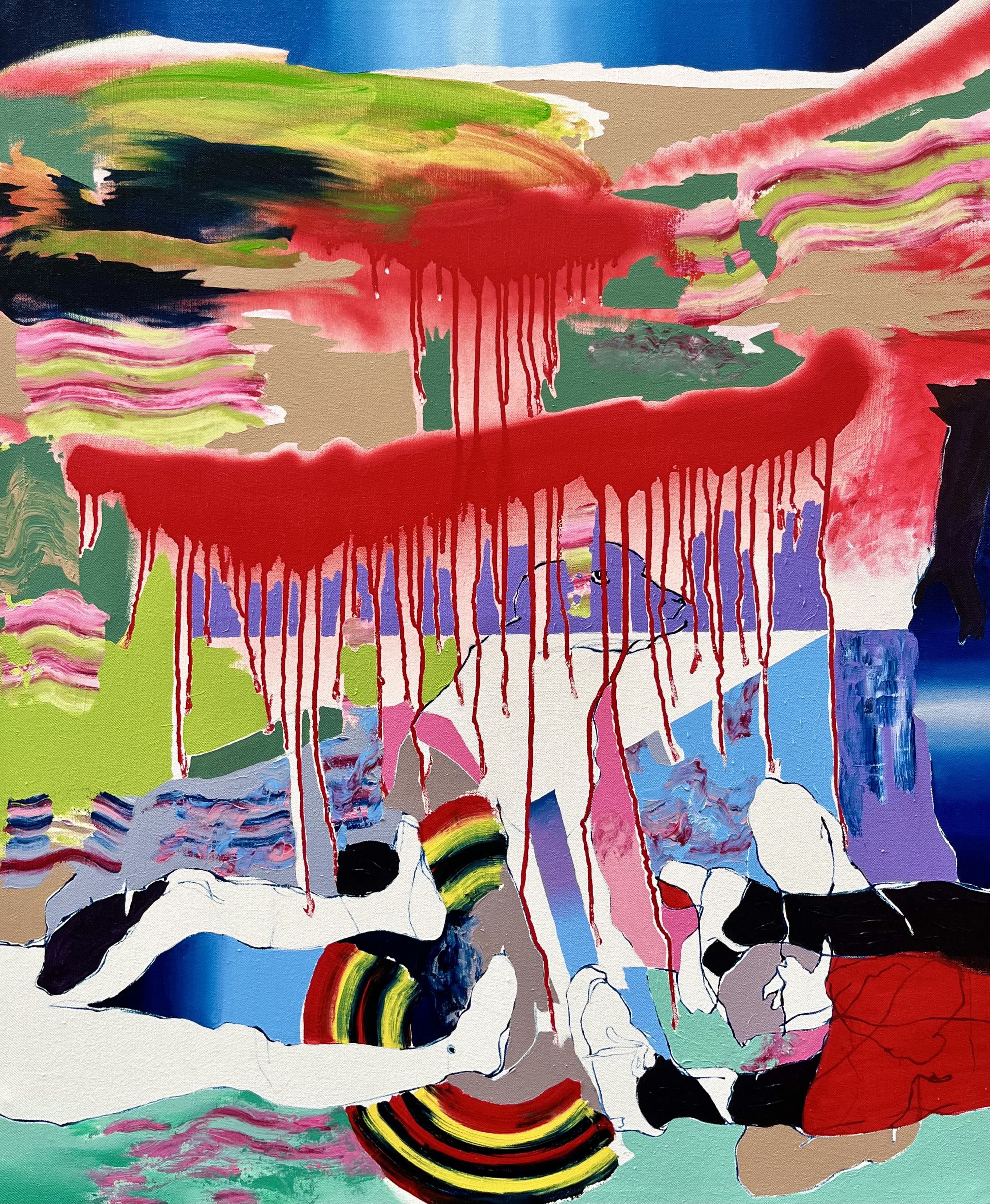
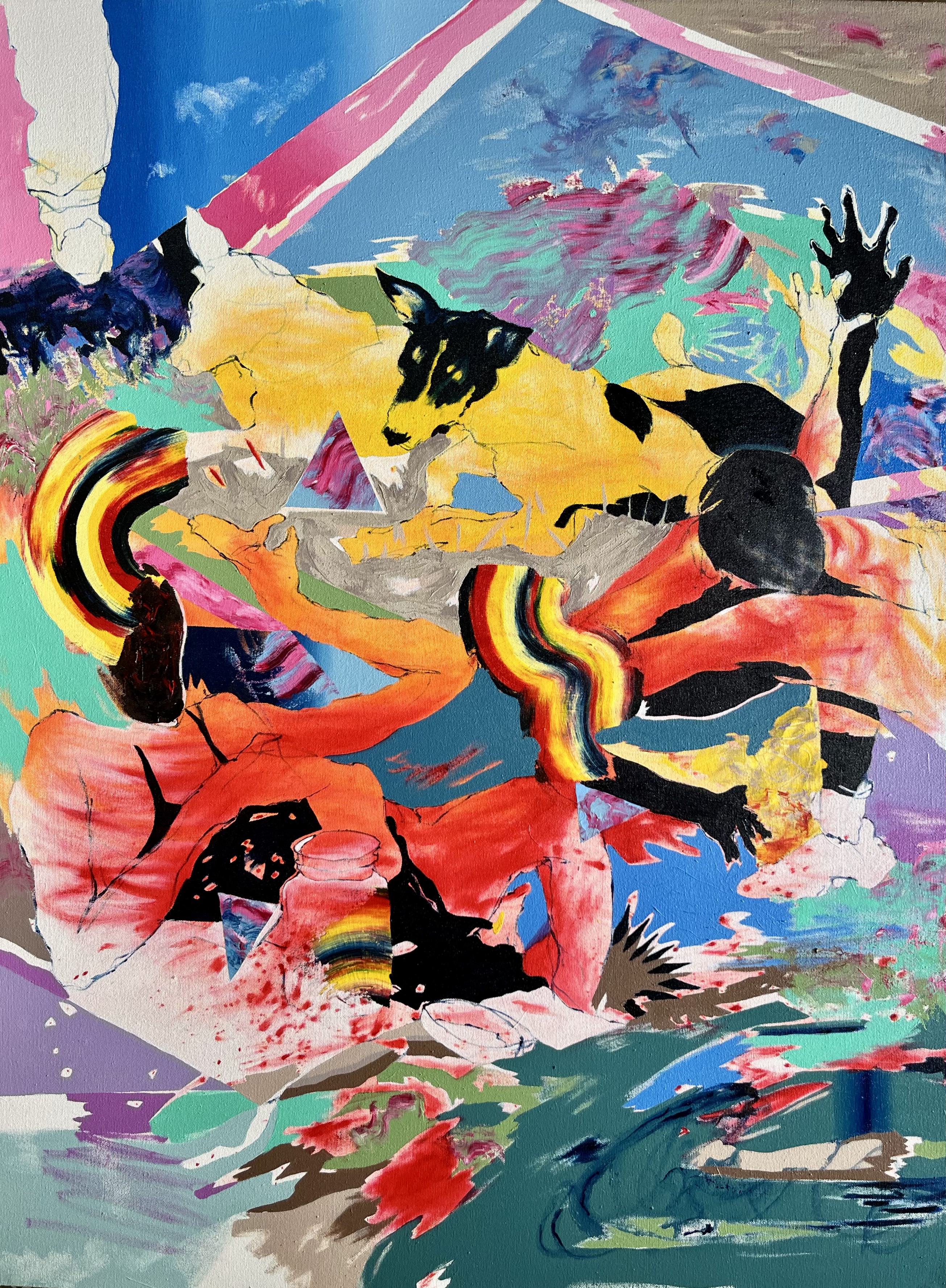
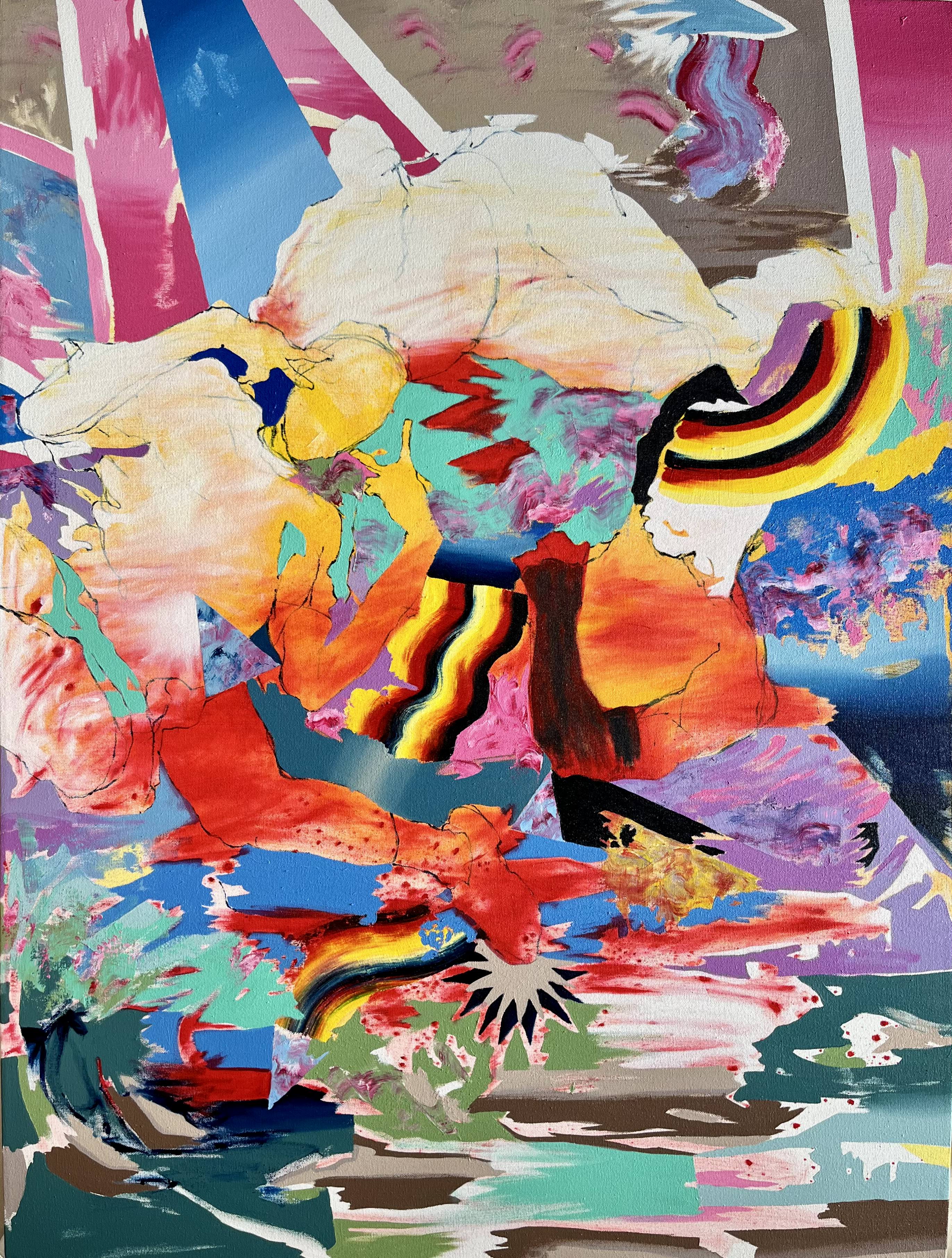
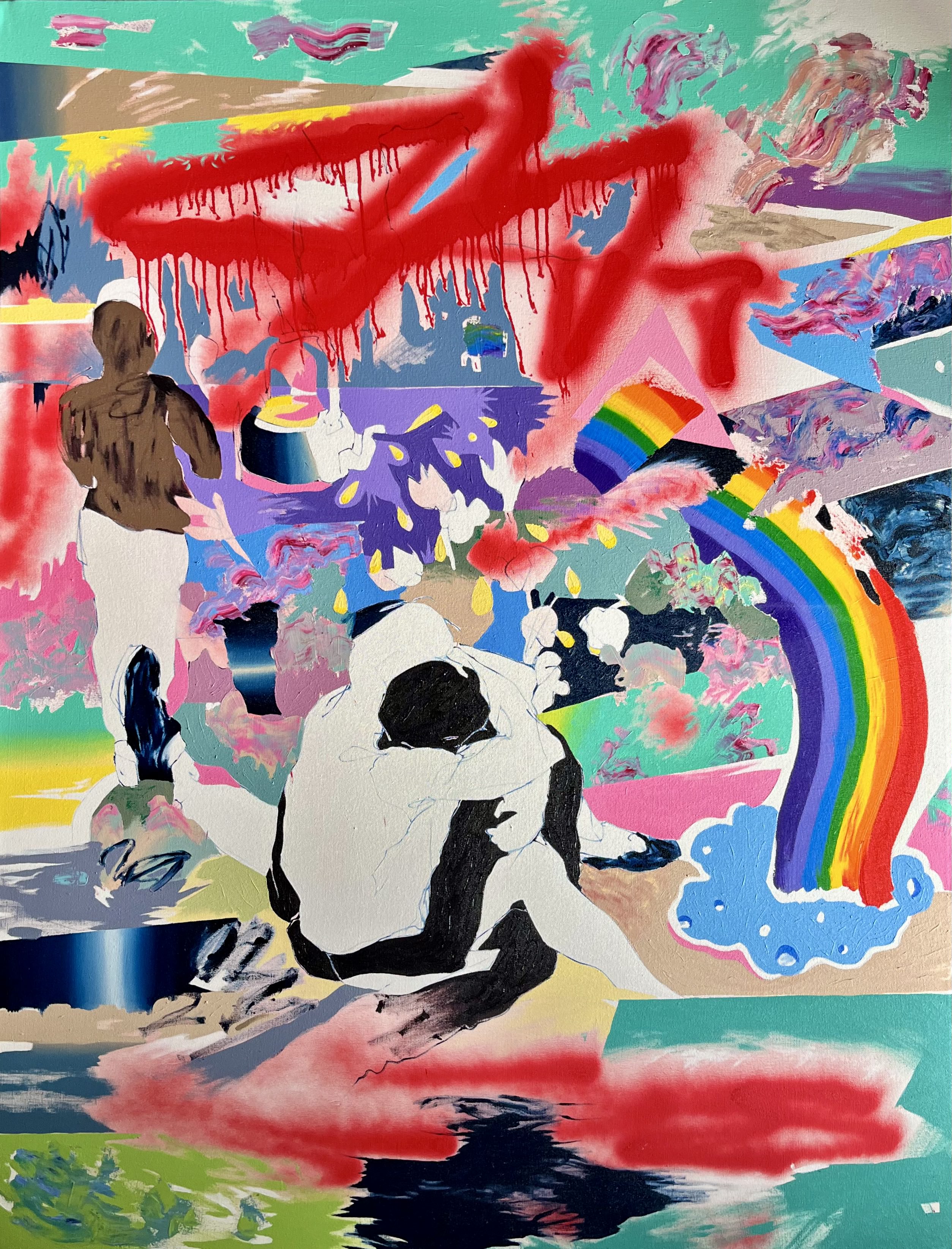
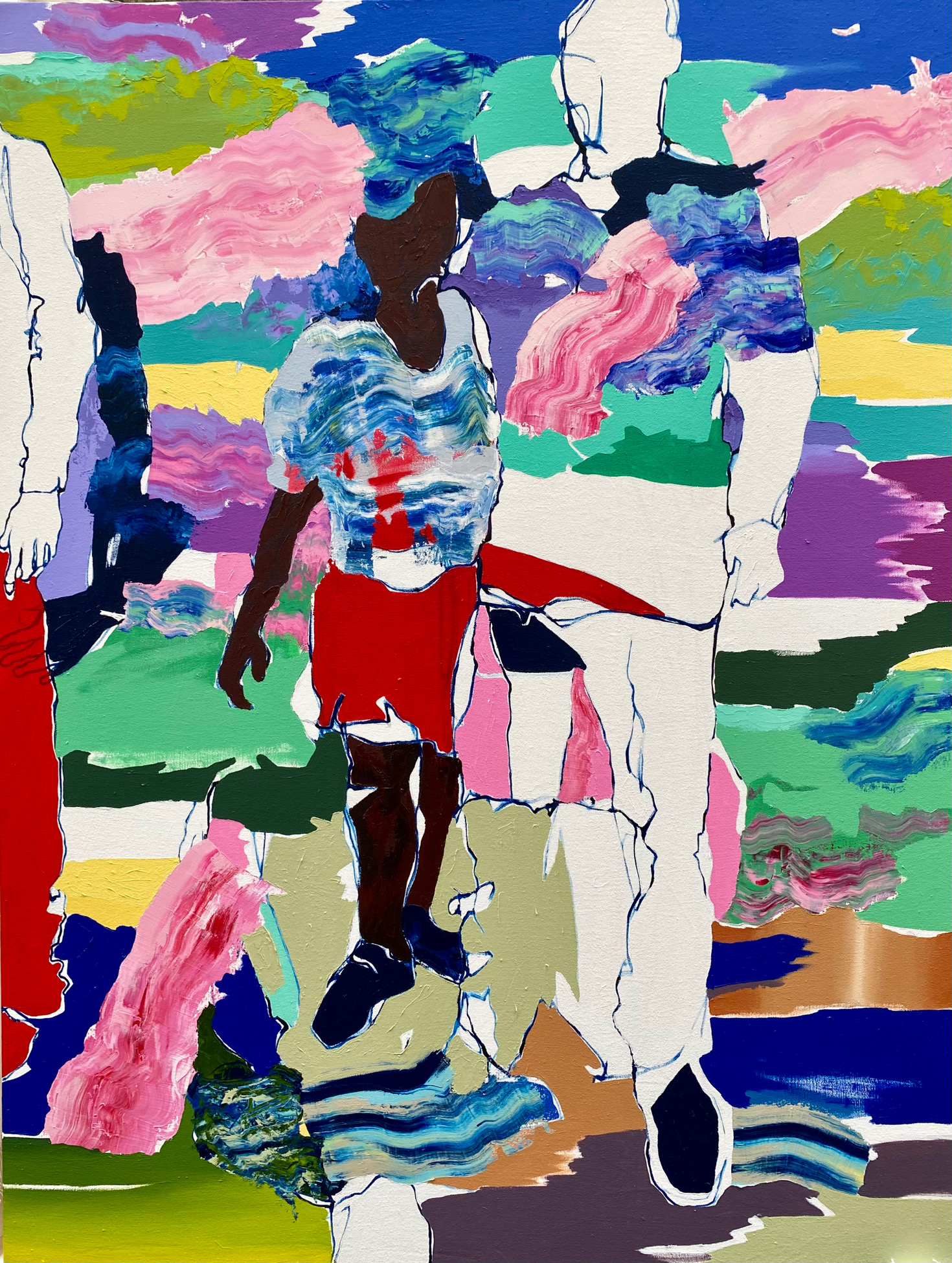
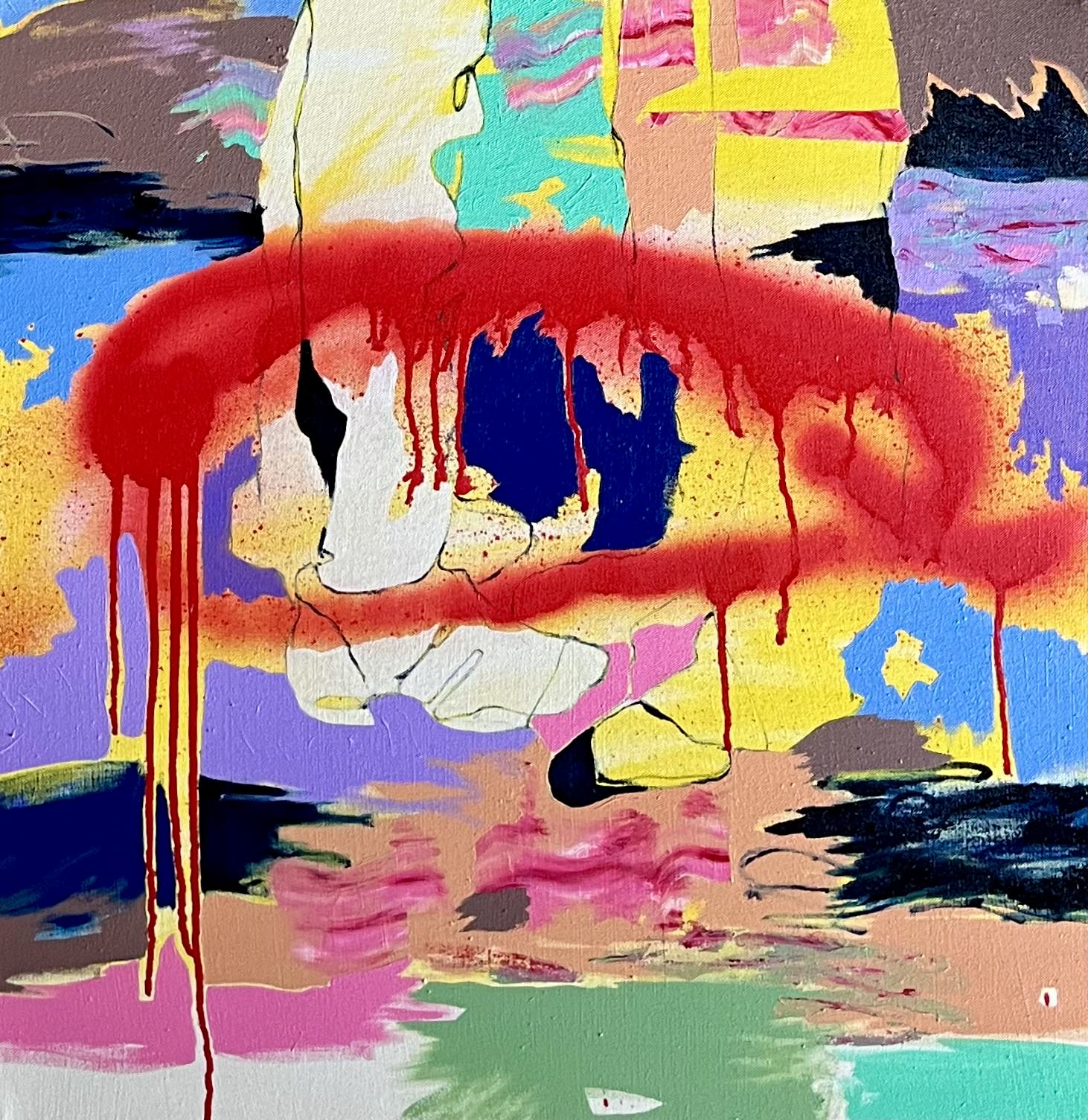
In “A Bench is Made of Wood but a Bench is Not a Tree,” artistChijioke Anyacho, through his work, reveals the complexities ofidentity shaped by the presence of absence. Through a series of paintings thatevoke the intimacy of a personal photo album, he navigates the void left by apaternal figure, revealing not simply images butthe scaffolding of memory.
Chijioke’s background in sculpture informs his sensitivity toform, pattern, and spatial composition, which continues to influence hispainting practice. His approach here is not about technique but about emotionalexcavation. The paintings bear the sensibilities of someone who understandsform deeply not because he consciously invokes his education, but because physical and psychological structure has always beenhis way of making sense of the world. Drawing from his own reflections, hereturns to childhood photographs, half-remembered scenes, and the quiet ache ofan estranged father, piecing together the emotional architecture of a boy whogrew without the shadow that was supposed to shelter him. In the piece I WANT TOBECOME THE MAN MY FATHER WASN’T, he reconstructs memory not as something fixed, butas something negotiated layered, repainted, repaired, and sometimes left raw anexploration of the tension between fantasy and reality. As the artist imagineshis father into existence, the line between presence and absence blurs,highlighting the fragility of memory and the weight of expectation.
In the quiet moment after my conversation with the artist, arealization settled over me: identity is not a straight line, and inheritanceis not always a gift. I thought about how something can be made from anotherand yet become something entirely different. Chijioke’s world his memories, hislonging, his tenderness, and his wounds became clearer to me. An uninvitedverse rose to mind “When my father and mother forsake me, then the Lord willtake me up” (Psalm 27:10). Not as a doctrine, but as a quiet assurance thateven when human presence falters, something larger remains holding, witnessing,and lifting. His works do not preach this they simply breathe it. They remindus that longing can be a form of knowledge, that solitude can carry its ownkind of faith, and that identity, like the bench, is shaped by what came beforebut is never defined by it.
“A Bench is Made of Wood but a Bench is Not a Tree” is aninvitation that beckons viewers to sit with the complexity of becoming towitness how absence is reclaimed and transformed into a testament of resilienceand tenderness a challenge to confront the absences in our own lives.
12 UKPABI ASIKA ST, ASOKORO, ABUJA - NIGERIA
CHIJIOKE ANYACHO
CHIJIOKE ANYACHO

.jpg)
.jpg)