HomeAbout usExhibitionsArt FairsArticlesOUR FUTURESVisit us
Artists
Opening Hours
Monday to Sunday
10am – 9pm
Admissions
Free Entry
Monday to Sunday
10am – 9pm
Free Entry

How much of our lives is contained in things we have stopped noticing? A cup of tea cooling beside us. The particular chair we always return to. Light entering a room without asking what kind of day we have had. Clothes that have carried the shape of a body. A period of waiting that seemed to be going nowhere. A gesture repeated so often that we no longer think of it as a gesture at all.
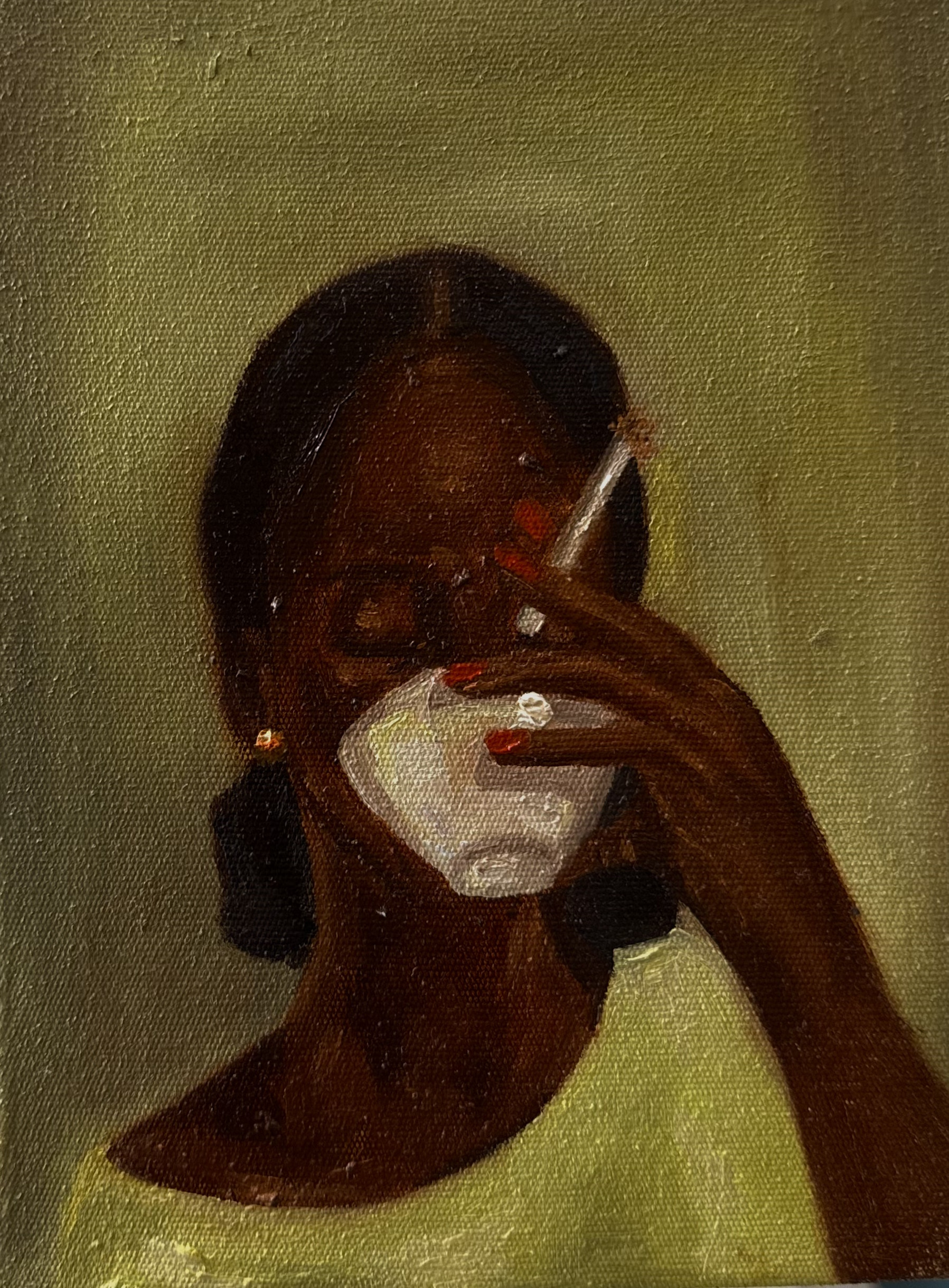
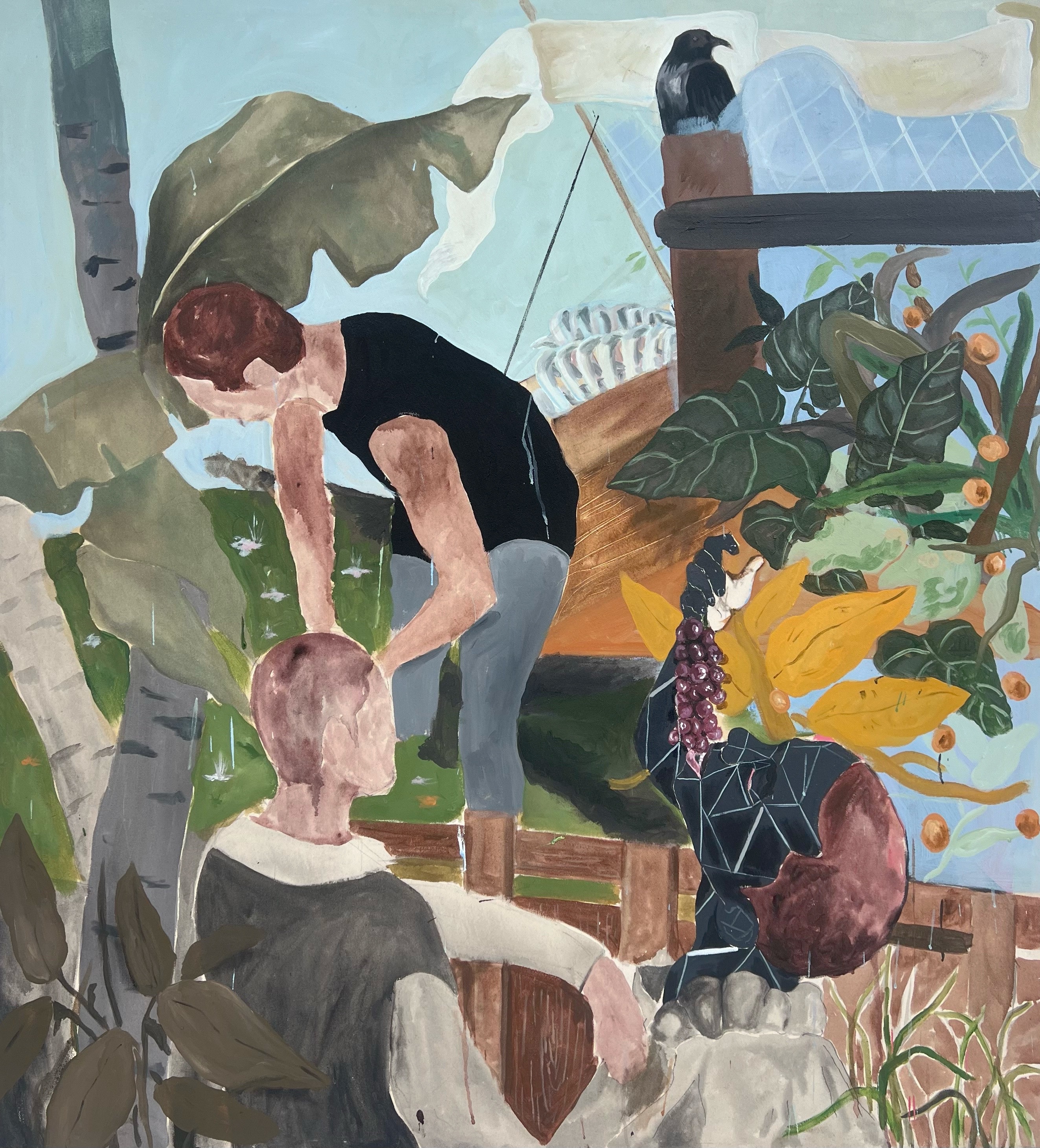
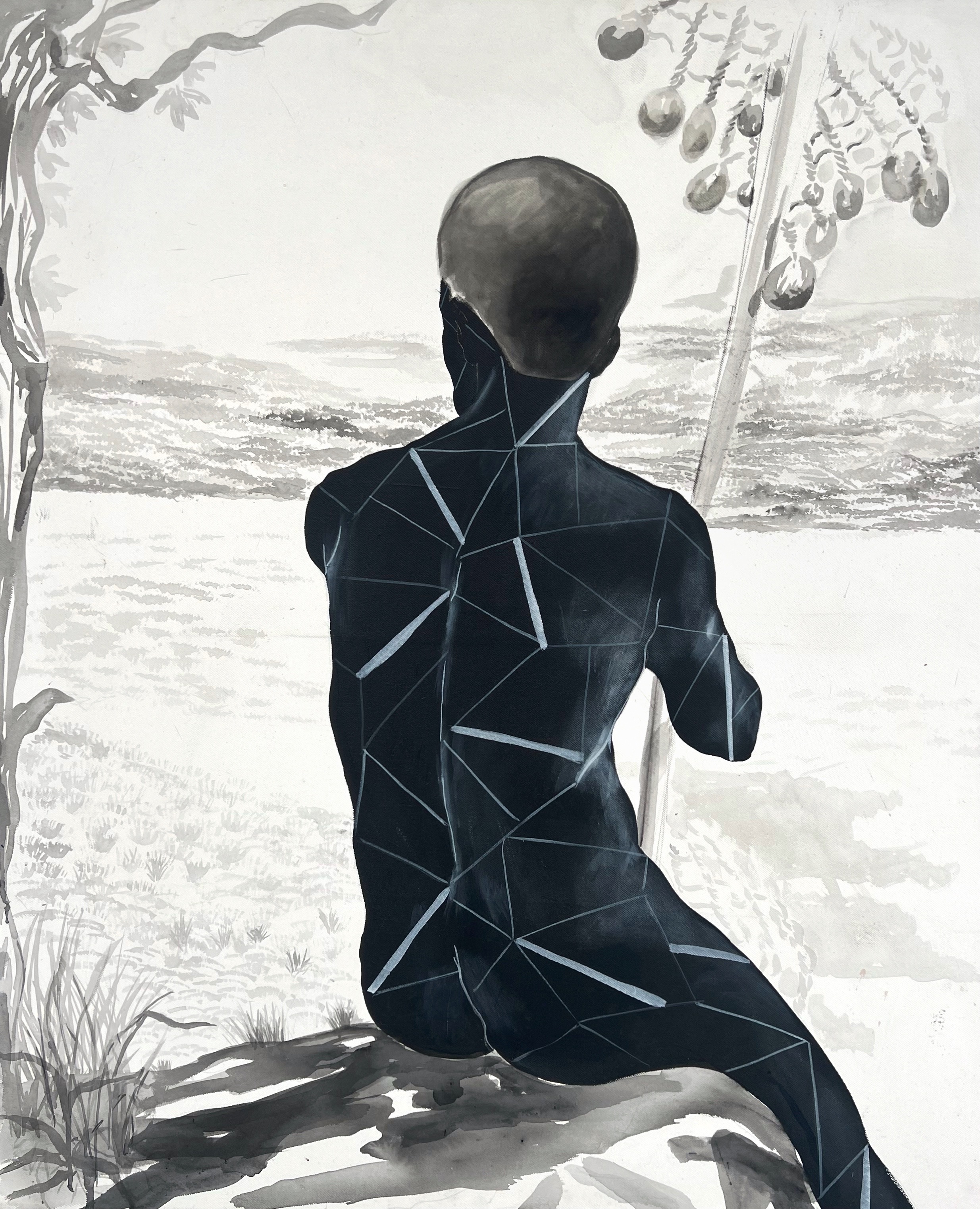
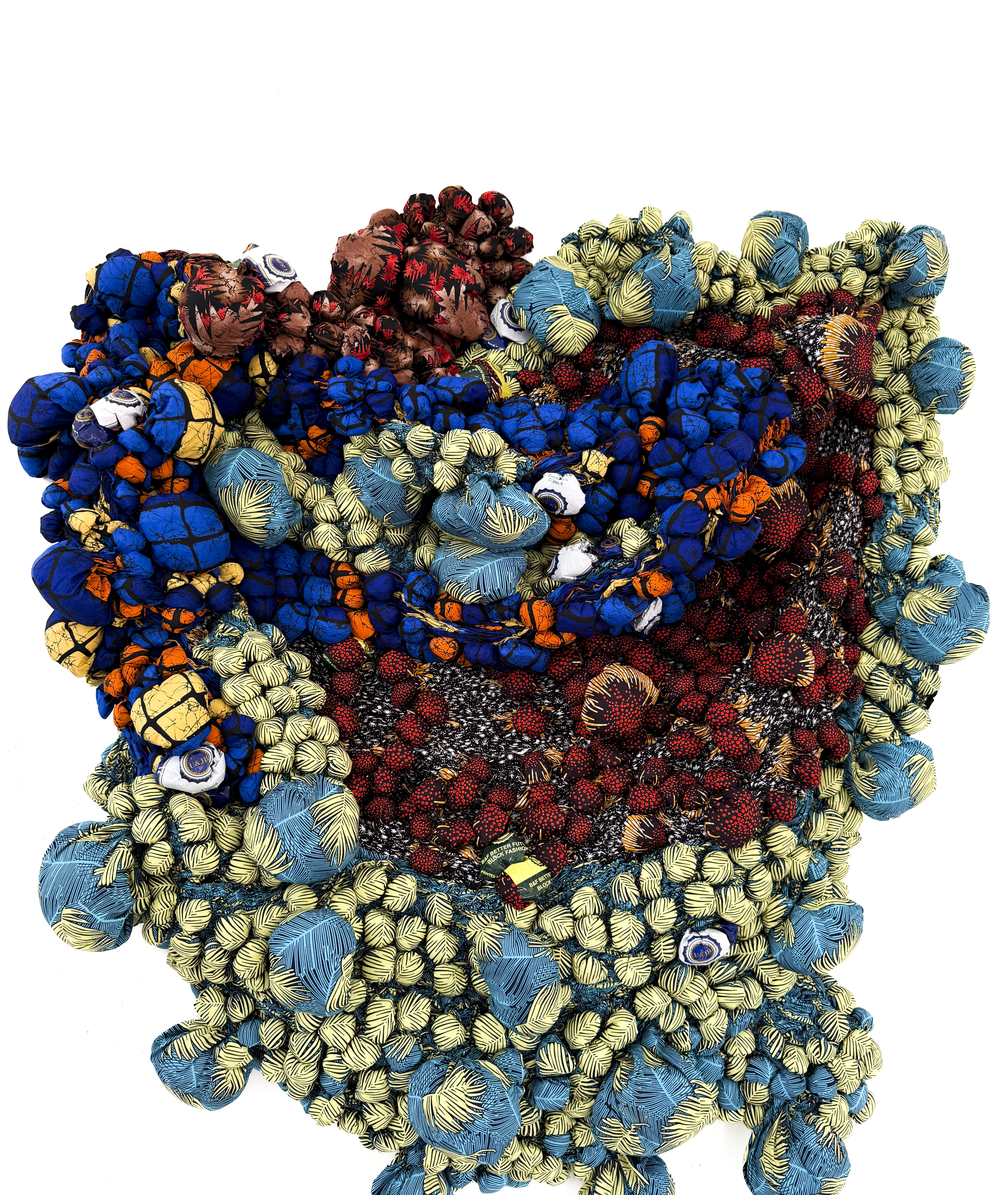
ORDINARY THINGS LIVED is a group exhibition featuring works by Praise Sanni-Adeniyi, Samuel Nnorom, and Victor Ubah. Unfolding across two floors, the exhibition moves from Persons to Connections, considering the space between what happens within us and what happens around us. The division is not intended as a separation. If anything, it asks us to consider how unstable that separation really is. It asks what remains of the ordinary once we begin to look at it more closely and how the seemingly insignificant moments of living gradually become part of who we are.
Not with the spectacular, but with what happens quietly. With the moments that do not announce themselves as important while we are inside them. With the possibility that a life is not only shaped by its major events, but by the repetitions, pauses, objects, gestures and relationships that accompany them.
On the ground floor, Persons become a point of entry into this interior territory. We encounter people in moments that seem almost uneventful. The spaces they inhabit are familiarenough to recognise, yet never entirely settled. They seem to extend beyond their physical boundaries, becoming spaces for thought, memory, uncertainty and reflection. The figures do not appear to be performing for us. They are simply there, absorbed in moments of their own, reminding us that a person is never as singular as they first appear. We are shaped by memory, circumstance, expectation, desire and time. We contain versions of ourselves that belong to different moments. We wait for things that may never arrive. We grow through experiences that are not immediately legible. We carry the unseen labour of becoming.
A woman sits with a cup of tea. Another occupies a familiar space in stillness. A figure waits. Another appears to have arrived at the quiet after something has happened. Their silence leaves space for us to wonder what cannot be seen. There is something deeply affecting about that kind of stillness.
Perhaps it is because we recognise it.
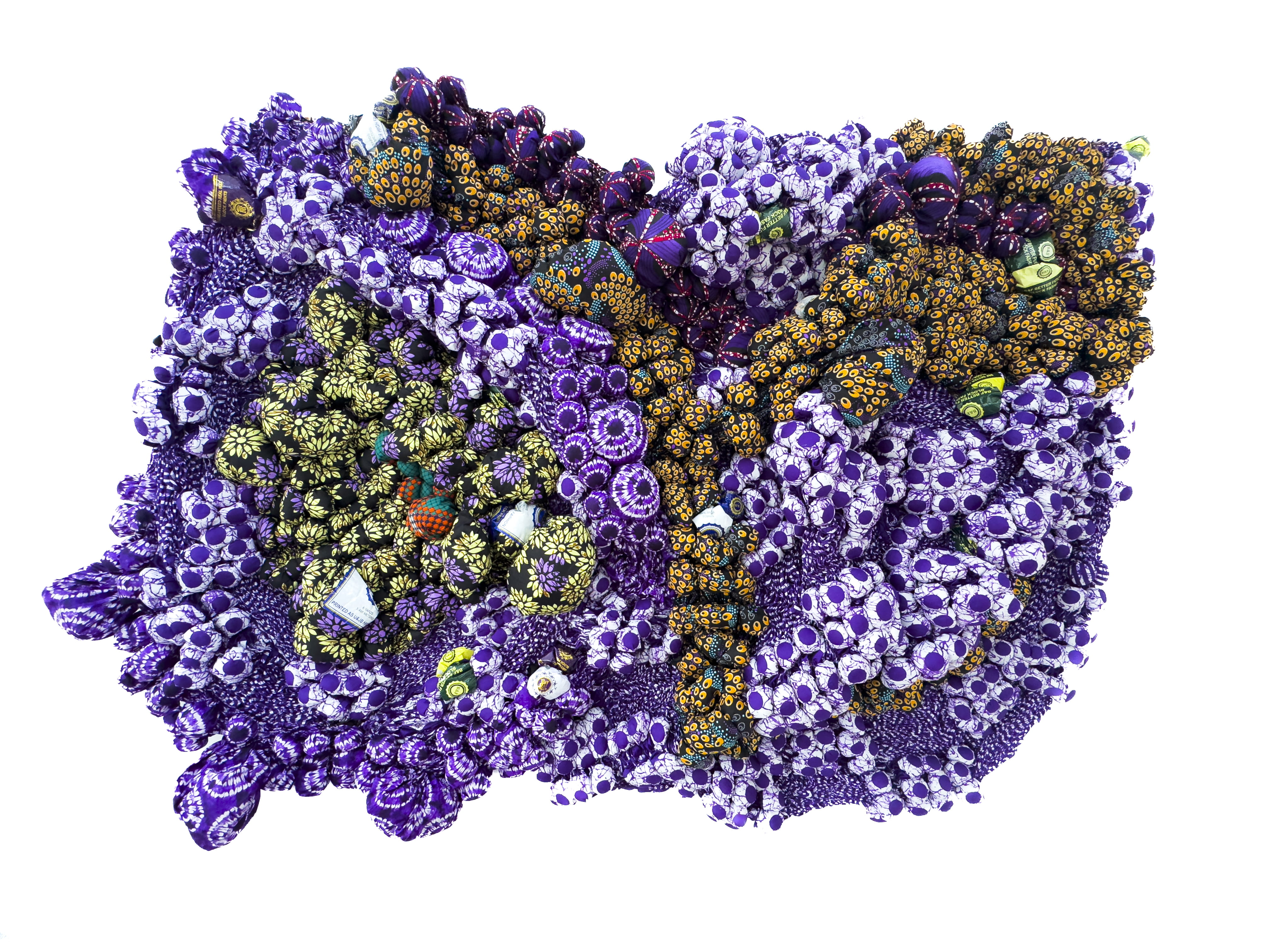
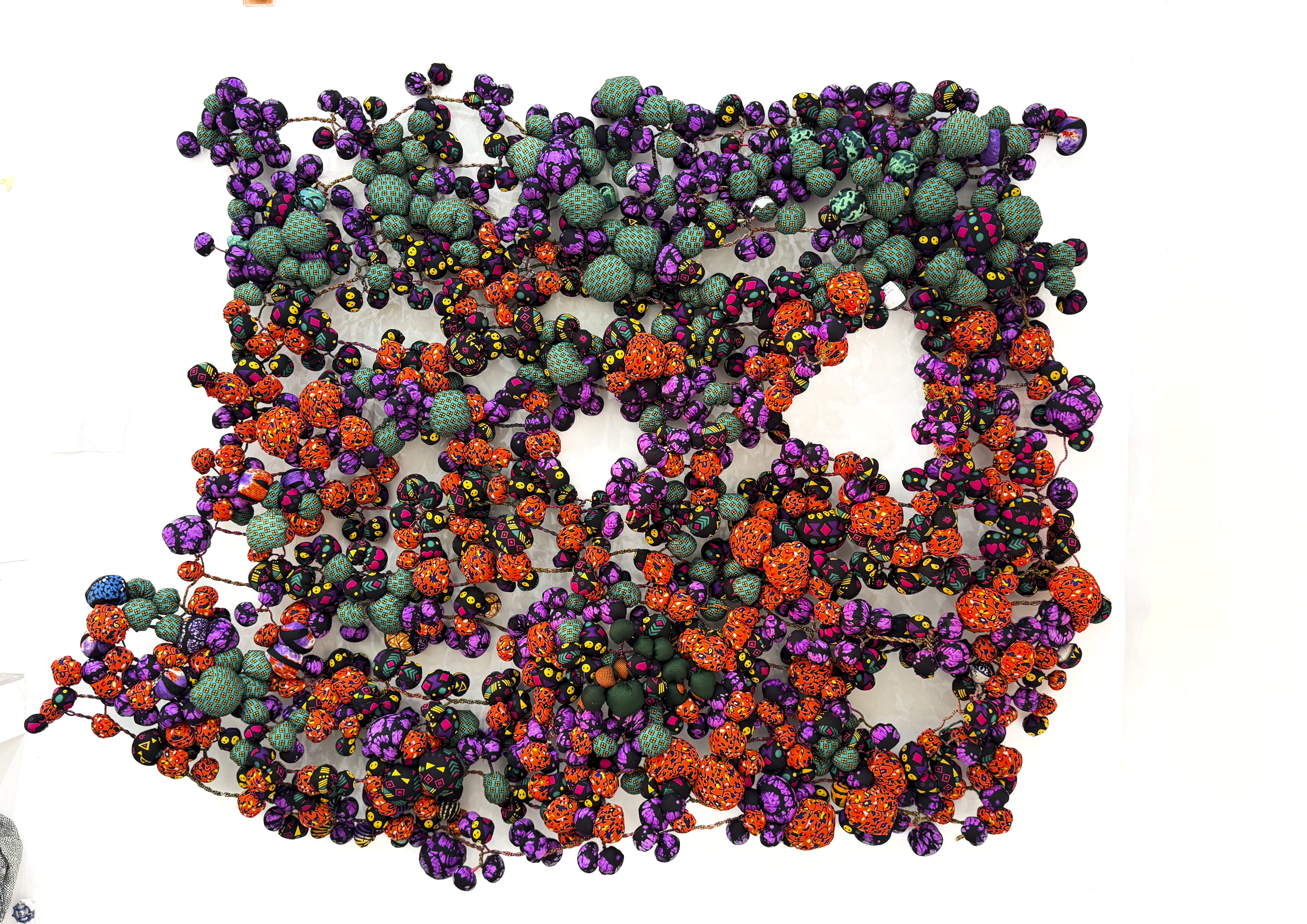
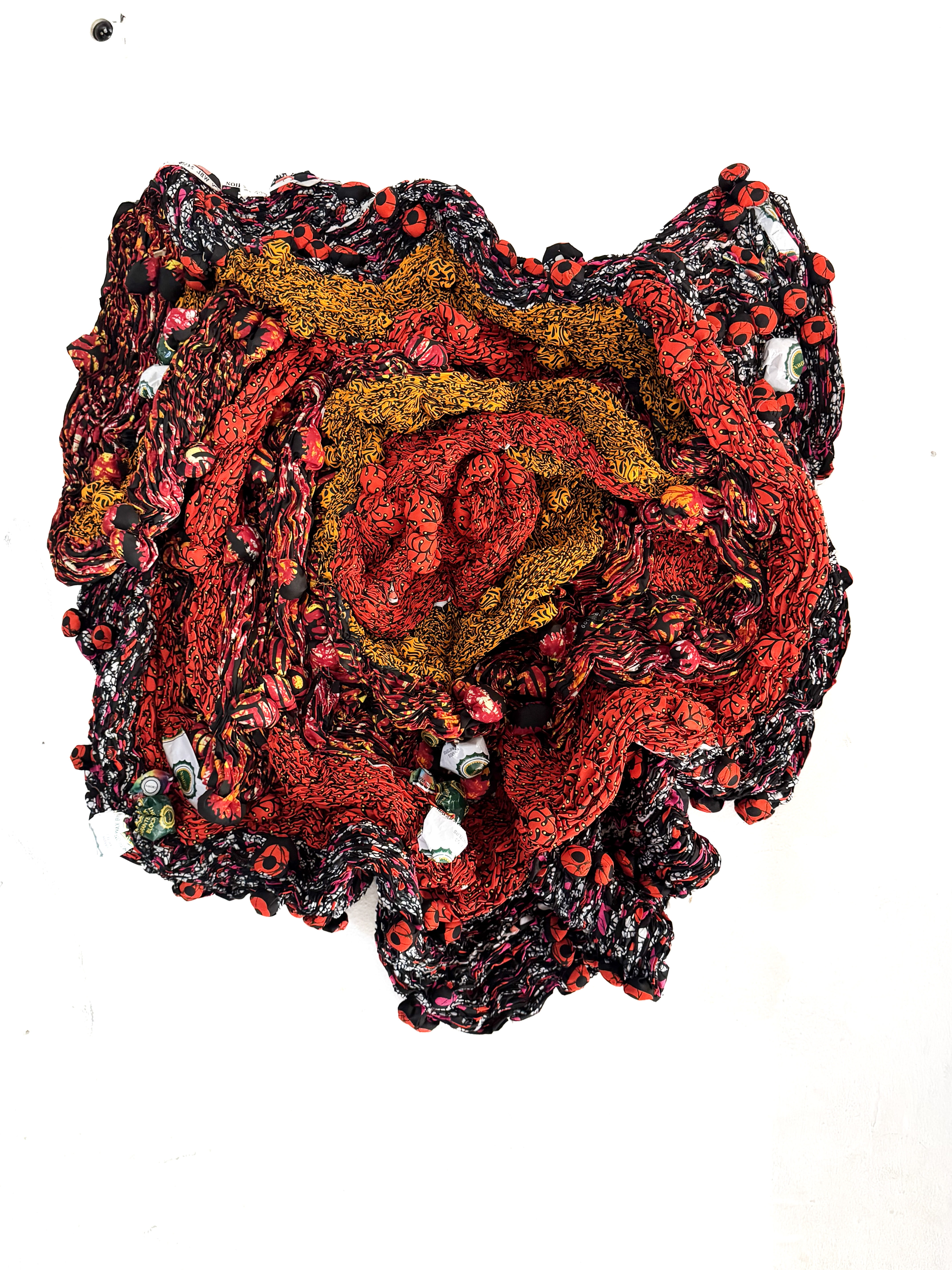
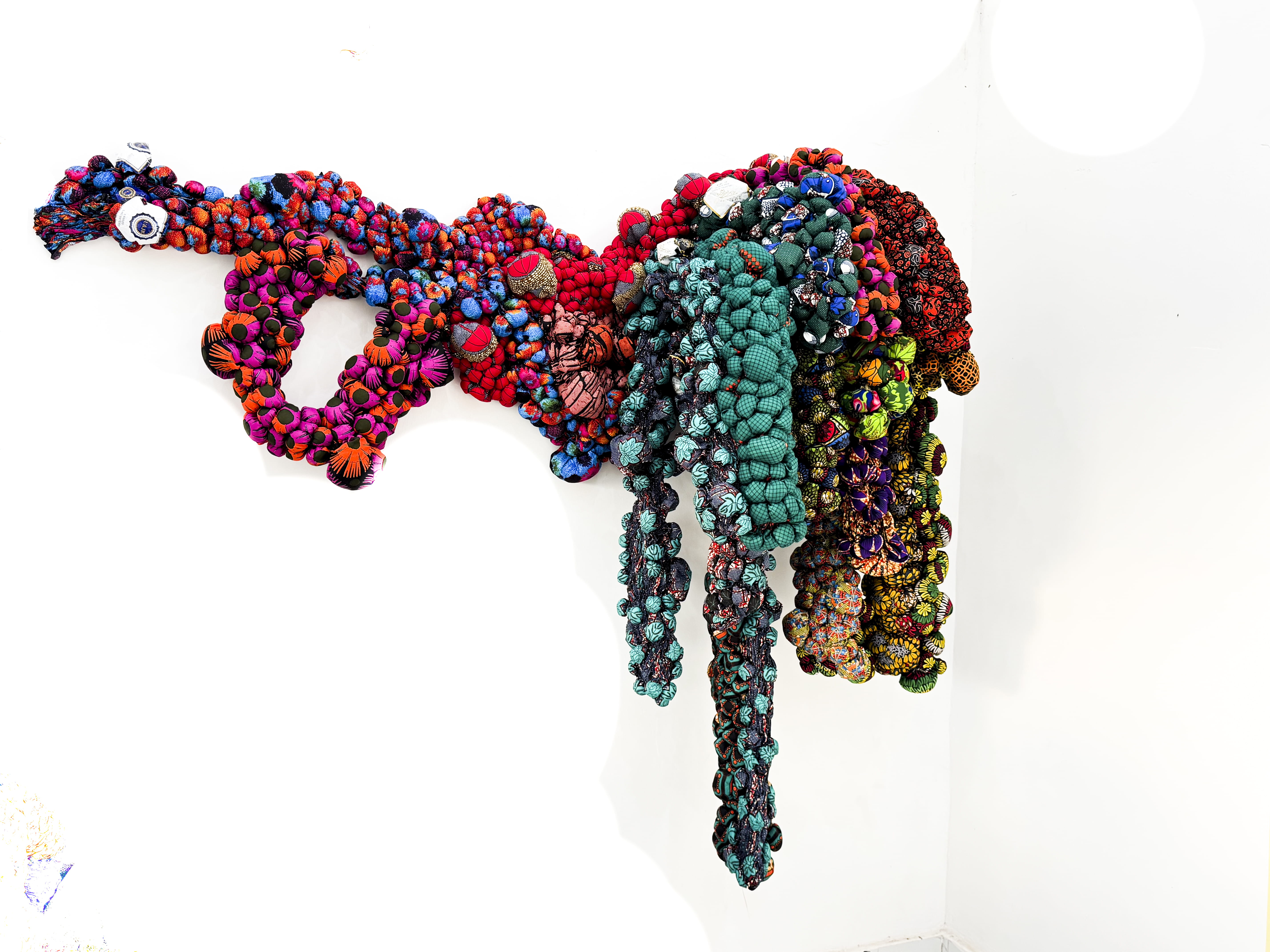
Upstairs, in Connections, movement becomes tangible as the personal and the collective meet. The TextileGarden offers another way of thinking about what we carry. Fragments gather, expand and move beyond fixed boundaries. Materials associated with clothing, domestic life and everyday use are transformed through repetition, stitching and accumulation. What begins as something individual becomes part of something larger without losing the traces of where it came from.
There is something familiar in this too. We are made from pieces.
Some are inherited. Some are chosen. Some are given to us. Some are imposed upon us. Some remain with us long after we have forgotten where they came from. Family, culture, memory, relationships, places and experiences leave their marks. We may think of ourselves as singular, but a closer look reveals how much of a person is made through contact with others. What we inherit does not remain unchanged. It grows through us. It is altered by us. It can be carried into places our predecessors could not have imagined. Perhaps this is where the private self begins to meet the social self.
As I worked through this exhibition, I kept returning to the thought that we rarely know which moments will matter to us while we are living them. Some experiences only reveal their significance in retrospect. What felt like a pause may have been preparation. What seemed like a small ritual may have become a form of care. What appeared to be an ordinary object may have become a vessel for memory. What we thought was simply passing through our lives may have been shaping them all along.
ORDINARY THINGS LIVED asks us to slow down enough to notice.
Not because everything ordinary must be made profound, but because perhaps we have mistaken familiarity for insignificance. To look again at what we usually pass over. To consider what we carry without naming. To recognise the quiet ways that people, objects, rituals, time and memory become part of us.
Because a life is not made only from the moments we remember immediately. Sometimes, it is made from the things we almost forgot to notice.
12 Ukpabi Asika street Asokoro, Abuja